
Taking a child fishing in Cocodrie can create the kind of memory that lasts forever. It can also create a sunburned mutiny before the boat clears the bayou. The difference usually has less to do with how many fish are biting than with how the adults plan the day.
A first fishing trip should not be a smaller version of an adult fishing trip. Children do not need a long run, a complicated tackle box, or eight hours to prove their commitment. They need a properly fitted life jacket, a reasonable chance to catch something, plenty of cold drinks, and an adult who remembers that the purpose is to make them want to go again.
At The Alibi, success is not measured by the ice chest. If a child catches one fish, learns to cast, sees dolphins in the bay, or tells an increasingly unbelievable story about the one that got away, the trip worked.
Plan the trip around the child, not the fishing report
For younger children, start with a short morning trip close to camp. Ninety minutes to two hours of actual fishing is often plenty. A short boat ride, two or three promising stops, and an easy return beat a dawn-to-dark expedition that turns fishing into court-ordered community service.
Choose places where the water is reasonably protected and the boat can be positioned without constant chaos. Frequent action matters more than trophy potential. A croaker, pinfish, small redfish, or anything else that makes the rod bend can be the fish of a lifetime when you are seven.
Set the return time before leaving, but be willing to return sooner. The best time to quit is while the child is still asking for one more cast. That is how another trip gets requested.
Handle the rules before anyone handles a rod
Louisiana exempts residents and nonresidents age 17 and younger from Basic and Saltwater Fishing Licenses. Anglers age 18 and older generally need a Basic Fishing License. When fishing south of Louisiana's saltwater line and targeting or possessing saltwater species, they also need a Saltwater License. Private recreational anglers pursuing certain offshore species may need the free Recreational Offshore Landing Permit as well.
Seasons, size requirements, daily limits, and special permits can change. Check the current Louisiana Department of Wildlife and Fisheries regulations before every trip instead of relying on a chart saved three summers ago. Identify the likely species, keep a measuring board aboard, and save the current rules where they can be viewed even if cell service disappears.
Every boat must carry a properly sized, U.S. Coast Guard-approved wearable personal flotation device for each person aboard. Louisiana law also requires children age 16 and younger to wear one, properly fastened, while underway on a vessel less than 26 feet long. A sensible camp rule is simpler: the child's life jacket goes on before the lines come off and stays on until everyone is safely back at the dock.
Let the weather make the final decision
Cocodrie mornings can begin perfectly calm and become hot, windy, or stormy in a hurry. Check the National Weather Service marine forecast, radar, tides, and active advisories before leaving. The LUMCON weather cameras are also useful for seeing what conditions actually look like nearby, although a camera is not a substitute for the marine forecast.
Thunderstorms are not something to watch from a small boat while deciding whether they seem serious. The National Weather Service warns that storms can quickly produce lightning, gusty winds, rough waves, waterspouts, and heavy rain. If thunderstorms are possible, choose a safer window. If threatening weather develops nearby, head for port or safe shelter promptly.
During warm months, leave early and avoid the worst heat of the day. Children depend on adults to keep them cool and hydrated. Put them in lightweight, light-colored clothing, bring more water than seems necessary, and schedule shade and drink breaks before anyone looks overheated. No fishing spot is good enough to argue with the weather.
Keep the tackle simple and the hooks controlled
One manageable spinning outfit per child is enough. Rig the rods at camp and bring a couple of ready-to-use backups. A simple popping cork with live bait or an uncomplicated soft plastic lets a child focus on casting, watching the cork, and reeling instead of learning six knots while the boat drifts past the fish.
Circle hooks can reduce deep hooking, while barbless hooks or hooks with the barb crimped are easier to remove. Keep pliers, a dehooker, line cutters, a measuring board, and a rubber or knotless landing net within reach. Sunglasses provide useful eye protection even when the sun is not especially bright.
Before the first cast, establish one rule: hooks belong in the water, in the tackle box, or in an adult's control. Give each child a casting area and make sure everyone looks behind them before swinging a rod. Adults should bait hooks and release difficult, toothy, or spiny fish until the child has enough experience to help safely.
Give everyone a job
Children stay interested when they are part of the operation. Let one watch the cork, another hold the net, and another help read the measuring board. They can count birds, spot crab-trap floats, choose between two fishing locations, or record each catch in a camp notebook.
Do not take the rod away the instant a fish bites. Help with the angle and drag, but let the child do as much of the work as safely possible. The photograph means more when the child remembers actually catching the fish instead of watching an adult land it.
If the bite stops, change something. Move a short distance, change bait, take a snack break, or head home. Sitting in one place for two silent hours may build character, but there are more enjoyable ways to build it.
Treat the fish like part of the lesson
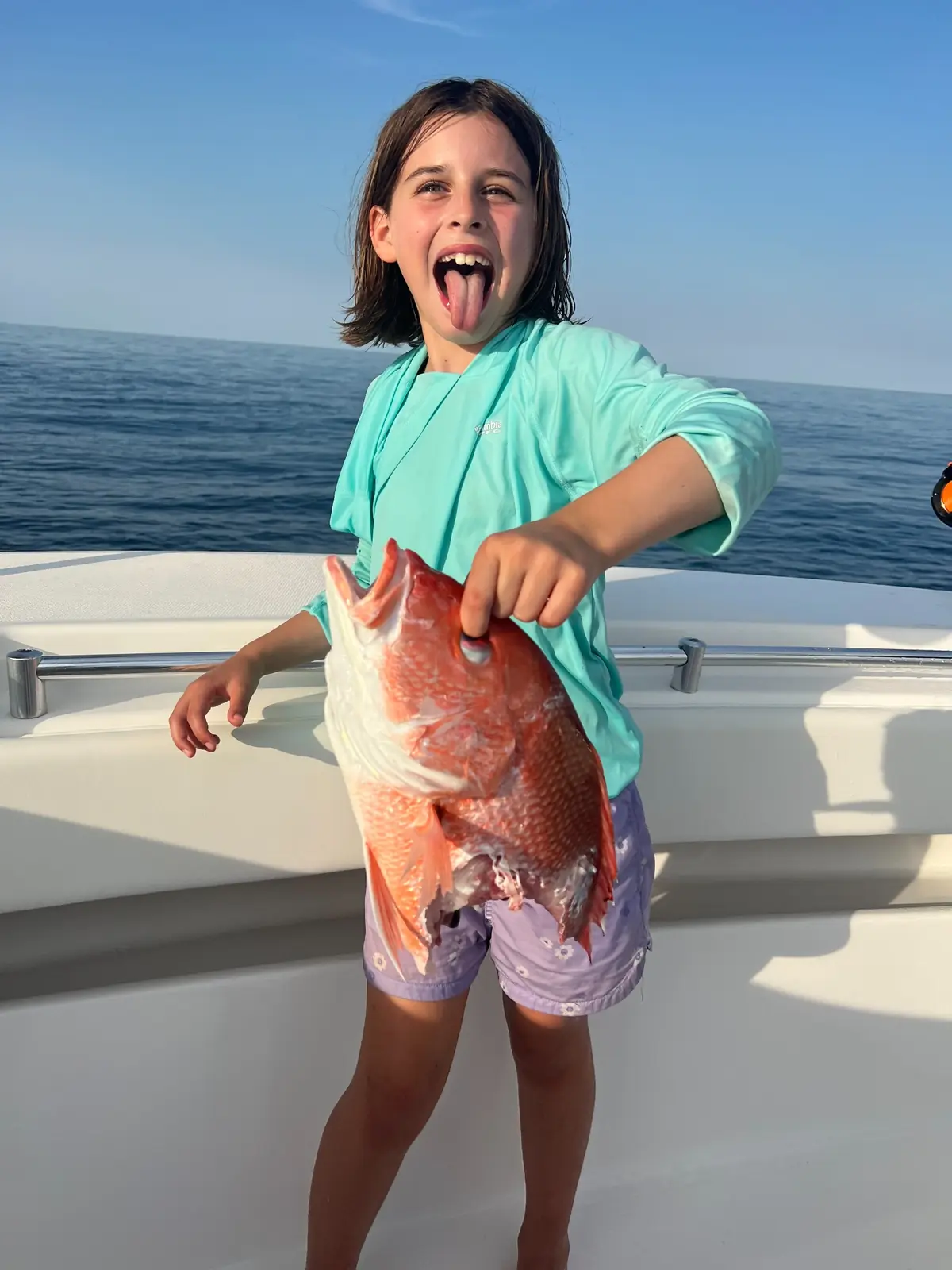
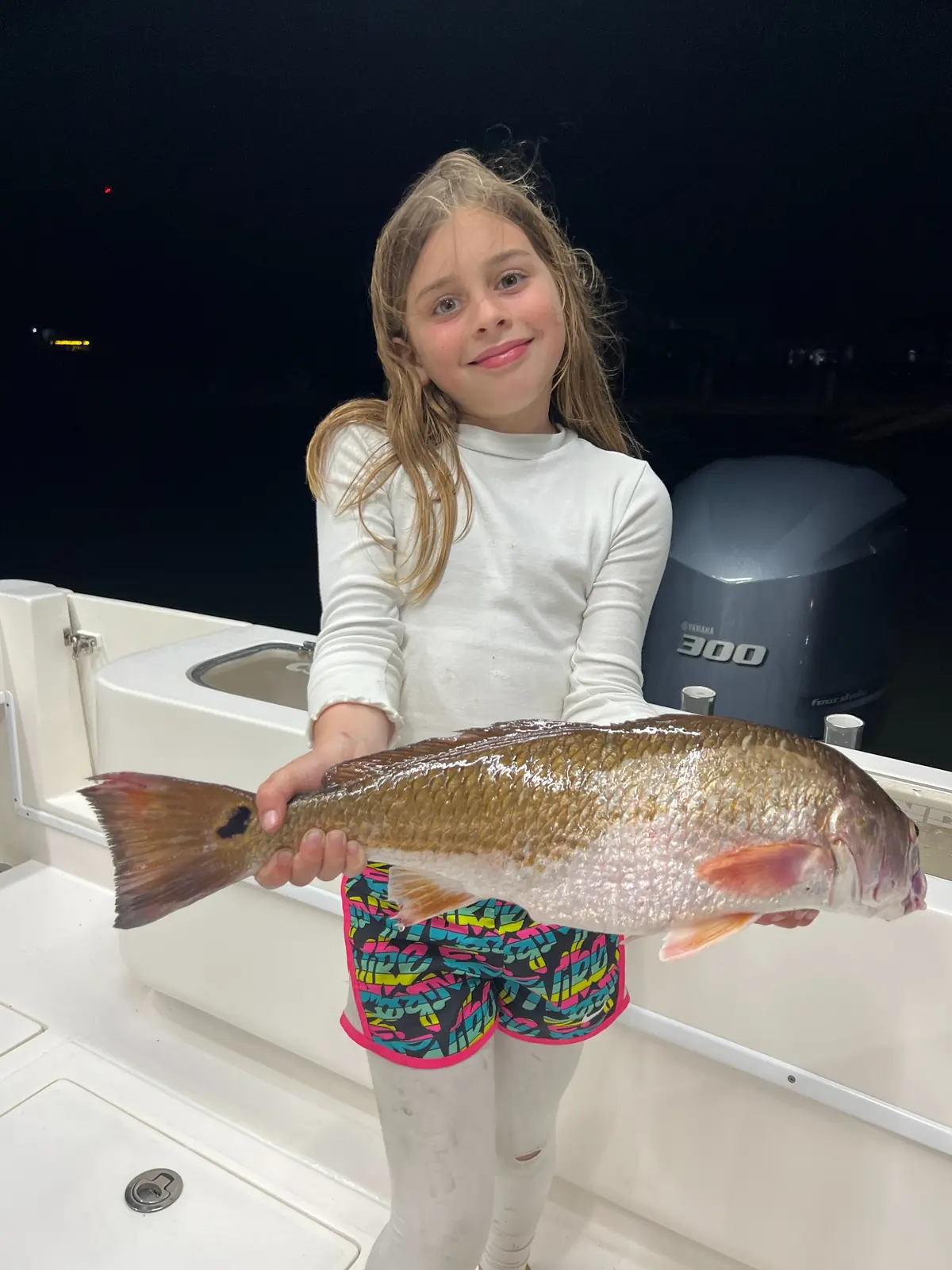
Decide quickly whether a fish is legal and whether it will be kept. For fish being released, wet your hands before touching them, avoid the eyes and gills, support the body horizontally, and keep the fish out of the water as briefly as possible. A dry deck and a long photo session are hard on the fish.
Use a dehooker when practical. If a hook has been swallowed and cannot be removed without causing more injury, cut the line close to the hook. Return the fish gently, headfirst, and give a tired fish time to regain strength while facing into the current. An adult should handle the release when the fish or hook presents any danger.
This is also a good time to teach that keeping fish is not the only measure of a trip. Keep legal fish that the family intends to clean and eat. Release the rest carefully so someone else, perhaps the same child on the next trip, can catch them again.
Snacks are legitimate fishing equipment
Pack cold water, easy snacks, sunscreen, hats, a small towel, wipes, and a dry change of clothes. Food should be simple enough to eat without confusing the sandwich with the bait. Children who are hungry, thirsty, sticky, or overheated lose interest with remarkable efficiency.
If a child is prone to motion sickness, make a parent-approved plan before departure. Waiting until the child feels bad is usually too late. Keep the first run smooth and short, and avoid turning a family outing into an offshore endurance test.
A small surprise snack reserved for the slow part of the morning has saved more fishing trips than any lure ever invented.
The before-launch checklist
A good trip begins with ten quiet minutes at the dock. Run through the same order every time:
- Choose a short route, a few protected fishing spots, and a firm return time.
- Check the current marine forecast, radar, advisories, tides, and nearby LUMCON camera views.
- Confirm that every adult has the required licenses and permits, then review current LDWF species rules.
- Fit and fasten each child's life jacket before leaving the dock.
- Pre-rig the rods and secure every loose hook before starting the engine.
- Pack the dehooker, pliers, line cutters, landing net, measuring board, first-aid supplies, and charged communications equipment.
- Load plenty of water, simple food, sunscreen, hats, and dry clothing.
- Give someone ashore the route and expected return time, and give every child a quick safety briefing.
- Come home while the children still think fishing is fun.
The goal is not to manufacture a perfect fishing story. It is to give a child enough room to discover why generations of people have loved being on the water in Cocodrie. Keep the first trips safe, short, and cheerful. The longer trips will come later, usually right after the child starts insisting that the last fish was much bigger than anyone else remembers.
Sources and further reading
Fishing regulations, license requirements, permits, seasons, and marine conditions can change. This article intentionally does not reproduce fish-limit tables. Review the current LDWF regulations and National Weather Service marine forecast before each trip.
- LDWF: Recreational Fishing Licenses and Permits
- LDWF: Required Boating Equipment
- LDWF: Recreational Saltwater Finfish
- LDWF: Recreational Offshore Landing Permit
- LDWF: Best Fishing Practices
- NWS New Orleans/Baton Rouge: Marine Information
- NOAA Tide Predictions: Cocodrie Station 8762928
- NWS: Safe Boating and Thunderstorms
- CDC: Infants and Children and Heat
- CDC: Sun Safety Facts
- LUMCON Weather Cameras